



Why Bone Health Matters Beyond the Scale
Your bones are living tissue — constantly being broken down and rebuilt in a process called remodeling. To keep that process working in your favor, your body depends on three key nutrients working together: calcium, vitamin D, and magnesium. At Prell Integrative Physical Therapy, we often see patients whose pain, fractures, or slow recovery can be traced — at least in part — to nutritional gaps that affect bone quality. Understanding these three nutrients is one of the simplest, most impactful things you can do for your long-term musculoskeletal health.
Most people associate bone health with osteoporosis — something to worry about “later in life.” But bone density peaks in your late 20s to early 30s, which means the habits you build now directly determine how much bone mass you have to lose as you age. Beyond density, bone quality affects:
- Fracture risk — especially in falls or high-impact activities
- Recovery time — from surgery, stress fractures, and injuries
- Joint health — the bones that form your joints need to be strong and well-mineralized
- Muscle function — minerals like calcium and magnesium are essential for muscle contraction and relaxation
Physical therapists aren’t just concerned with movement — we’re concerned with the structural integrity that makes safe, pain-free movement possible. That’s why we encourage our patients to understand the nutritional side of the equation.
Calcium: The Building Block
Calcium is the most abundant mineral in the human body, and roughly 99% of it is stored in your bones and teeth. It gives bone its hardness and compressive strength. But calcium doesn’t just sit there — it’s continuously exchanged between bone tissue and your bloodstream to support muscle contractions, nerve signaling, and heart function.
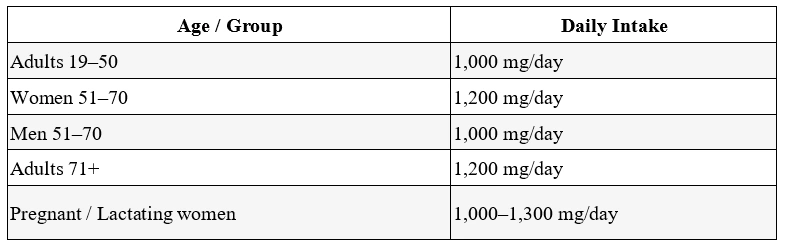
Recommended Daily Intake
Best Food Sources
- Dairy: milk, yogurt, and cheese
- Leafy greens: kale, bok choy, and broccoli
- Fortified foods: orange juice, plant milks, cereals
- Canned fish with bones: sardines and salmon
- Almonds and sesame seeds (tahini)
- Tofu made with calcium sulfate
What Interferes with Absorption?
- Vitamin D deficiency — perhaps the most important factor
- Excess sodium — high salt intake increases calcium excretion in urine
- Caffeine and alcohol — both can reduce calcium retention
- Oxalates — found in spinach and beets; they bind calcium in the gut
- Phytates — found in some whole grains and legumes
A note on supplements: Calcium supplements can be helpful when dietary intake is insufficient, but research suggests that very high supplemental doses (above 1,000 mg/day from supplements alone) may not provide additional bone benefit and could carry cardiovascular risks in some individuals. Always talk to your healthcare provider before starting a high-dose supplement regimen.
Vitamin D: The Key That Unlocks Calcium
Calcium gets all the headlines, but vitamin D is arguably the more underappreciated player in bone health. Without adequate vitamin D, your body can only absorb about 10–15% of the calcium you consume. With sufficient vitamin D, that number jumps to 30–40%. No other nutrient has such a direct impact on calcium bioavailability.
Vitamin D is technically a hormone precursor. When UV-B rays from sunlight hit your skin, your body synthesizes vitamin D3. It’s then converted in the liver and kidneys into its active form — calcitriol — which regulates calcium and phosphate absorption in the gut, supports bone mineralization, and plays a role in immune function and muscle health.
Vitamin D and Muscle Function
Low vitamin D levels are associated with:
- Muscle weakness and fatigue
- Increased fall risk — particularly in older adults
- Slower muscle recovery after exercise or injury
- Chronic musculoskeletal pain
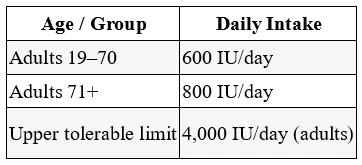
Recommended Daily Intake
Best Food Sources
- Fatty fish: salmon, mackerel, tuna, and sardines
- Cod liver oil
- Egg yolks
- Fortified dairy and plant milks
- Fortified cereals and orange juice
- Mushrooms exposed to UV light (portobello, maitake)
Food sources alone rarely provide sufficient vitamin D for most people. Safe, regular sun exposure (10–20 minutes of midday sun on arms and legs, several times per week) and/or supplementation is often necessary — especially during winter months in regions above 35° latitude.
Magnesium: The Forgotten Partner
Magnesium is the third member of this essential triad, and it’s frequently overlooked in conversations about bone health. Yet approximately 60% of your body’s magnesium is stored in bone, where it contributes to bone crystal structure and influences the activity of bone-building cells (osteoblasts) and bone-resorbing cells (osteoclasts).
Magnesium also plays a critical behind-the-scenes role in the vitamin D–calcium relationship:
- It’s required to convert vitamin D into its active form
- It regulates calcium transport and helps maintain calcium balance
- It activates over 300 enzymatic reactions in the body, many of which affect bone metabolism
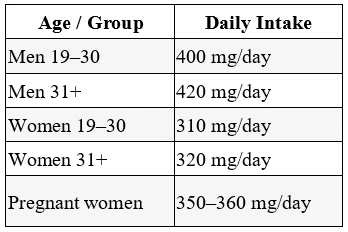
Recommended Daily Intake
Best Food Sources
- Dark leafy greens: spinach and Swiss chard
- Legumes: black beans, lentils, and chickpeas
- Nuts and seeds: pumpkin seeds, almonds, and cashews
- Whole grains: brown rice, quinoa, and oats
- Dark chocolate (70%+ cacao)
- Avocado, bananas, and tofu
How These Three Nutrients Work Together
Calcium, vitamin D, and magnesium don’t operate in isolation — they function as an interdependent system:
- You eat calcium-rich food.
- Vitamin D stimulates intestinal cells to absorb calcium into the bloodstream.
- Magnesium is required to activate vitamin D and helps regulate how calcium is distributed — directing it toward bones and away from soft tissues like arteries.
- Calcium is deposited into bone matrix by osteoblasts, further supported by magnesium and other cofactors like vitamin K2 and phosphorus.
Supplementing with only calcium — without addressing vitamin D and magnesium status — is like filling a bucket with a hole in it.
Signs You May Be Deficient
Calcium
- Muscle cramps or spasms
- Numbness or tingling in fingers
- Fatigue
- Brittle nails
- Dental problems
Vitamin D
- Fatigue and low energy
- Bone pain or achiness
- Muscle weakness
- Frequent illness
- Depression / mood changes
Magnesium
- Muscle cramps or twitching
- Poor sleep
- Anxiety or irritability
- Headaches / migraines
- Low energy
Note: These symptoms overlap with many other conditions. Blood testing is the most reliable way to assess your nutrient status. Speak with your physician if you’re concerned.
Practical Tips for Better Bone Nutrition
- Prioritize food first. A nutrient-dense, whole-foods diet should be the foundation.
- Get your levels tested. Ask your doctor for a 25-hydroxyvitamin D test and a basic metabolic panel.
- Spread calcium intake throughout the day. The body can only absorb about 500 mg at a time.
- Pair vitamin D with healthy fat. Vitamin D is fat-soluble and absorbs better alongside dietary fat.
- Don’t over-supplement calcium. Stay within recommended ranges and discuss supplement use with your provider.
- Exercise — especially weight-bearing and resistance training. Bone responds to mechanical stress by becoming denser and stronger.
- Limit bone robbers. Excessive alcohol, smoking, very high sodium intake, and sedentary behavior all undermine bone health.
The Physical Therapy Connection
At Prell Integrative Physical Therapy, we take a whole-person approach to rehabilitation and performance. We know that how well your bones heal, how quickly your muscles recover, and how resilient your joints are over time depend on more than just the exercises you do in the clinic. Nutrition is part of the picture.
If you’re recovering from a fracture, managing osteopenia or osteoporosis, dealing with chronic musculoskeletal pain, or simply trying to stay active and healthy into your later years — understanding your calcium, vitamin D, and magnesium status is a worthwhile investment. We’re happy to discuss these topics during your appointments and connect you with the right resources.
References
- National Institutes of Health. Calcium — Health Professional Fact Sheet. Office of Dietary Supplements.
- National Institutes of Health. Vitamin D — Health Professional Fact Sheet. Office of Dietary Supplements.
- National Institutes of Health. Magnesium — Health Professional Fact Sheet. Office of Dietary Supplements.
- Uwitonze AM, Razzaque MS. Role of Magnesium in Vitamin D Activation and Function. J Am Osteopath Assoc. 2018.
- Weaver CM. Calcium. Adv Nutr. 2014; 5(1):63–64.
This post is intended for educational purposes only and does not constitute medical or nutritional advice. Please consult your physician or registered dietitian before making changes to your supplement regimen or diet.