


Training tears you down. Recovery builds you back up. And the difference between passive rest and active recovery is the difference between merely surviving your training and actually adapting to it.
Over the past several months, we’ve built one of the most comprehensive physical health frameworks on the internet. Pillar 1 gave you the structural foundation — muscle reserve, bone density, and compound lifts. Pillar 2 powered the cardiovascular engine — VO2 max, Zone 2 base, and HIIT ceiling. Pillar 3 kept the machine moving — joint health, flexibility, posture, and functional range of motion. Pillar 4 kept it standing — fall prevention, proprioception, and daily balance habits.
But we deliberately left something out. Not because it’s less important — but because it multiplies everything else.
Recovery is where adaptation actually happens. Every squat, every interval, every stretch — these are stimuli. They create microscopic damage to muscle fibers, deplete energy stores, fatigue the nervous system, and generate metabolic byproducts. The training itself is the demolition. Recovery is the construction. Without it, you don’t get stronger, faster, or more mobile. You just get more broken.
And among the recovery strategies available to you, none is more practical, more accessible, or more consistently supported by research than active recovery — the deliberate use of low-intensity movement to accelerate the body’s restoration processes between hard training sessions.
Passive vs. Active Recovery: The Critical Distinction
Most people’s default recovery strategy is passive — lying on the couch, scrolling their phone, and waiting for the soreness to go away. This is not wrong, exactly. The body does repair itself during rest. But it repairs itself faster, more completely, and with less residual stiffness when rest is replaced with gentle, purposeful movement.
PASSIVE RECOVERY
Complete rest. No deliberate movement. Blood flow stays at resting levels. Metabolic waste removal is slow. Muscles stiffen as they repair. Soreness peaks at 24–48 hours and lingers. Joint fluid doesn’t circulate. The body heals — but slowly and incompletely.ACTIVE RECOVERY
Low-intensity movement. Elevated blood flow delivers oxygen and nutrients to damaged tissue. Metabolic waste is cleared faster. Muscles stay supple during repair. Soreness is reduced at 24 and 48 hours. Joint fluid circulates through compression and release. The body heals — faster and more thoroughly.
A landmark 2018 meta-analysis of 99 studies, published in Frontiers in Physiology, found that active recovery produced significant reductions in delayed-onset muscle soreness (DOMS) at both 24 and 48 hours post-exercise compared to passive rest. The effect was consistent across different types of exercise, different populations, and different active recovery modalities. The mechanism is straightforward: movement increases blood flow, blood flow delivers oxygen and nutrients to damaged tissue, and the same blood flow removes the metabolic byproducts — lactate, hydrogen ions, creatine kinase — that contribute to soreness and stiffness.
Walking: The Most Underrated Recovery Tool in Existence
If you could package the benefits of post-training walking into a pill, it would be the most prescribed recovery drug in the world. It enhances circulation without creating additional muscle damage. It promotes lymphatic drainage. It provides gentle, rhythmic loading that encourages tissue remodeling. It reduces cortisol levels. It improves mood and mental clarity. And it costs nothing, requires no equipment, and can be done anywhere.
A 2025 deep-dive analysis by the Mountain Tactical Institute reviewed the evidence comparing post-training walking to foam rolling, cold water immersion, massage, and static stretching for DOMS relief. The finding was remarkable: 10 to 20 minutes of walking after training rivaled or exceeded every other recovery modality studied — at zero cost and zero complexity.
Simple post-training walking is as effective as — or better than — cold water immersion, massage, stretching, and foam rolling for relieving delayed-onset muscle soreness. Walking is an effective, simple, and cheap recovery tool.
MOUNTAIN TACTICAL INSTITUTE, 2025
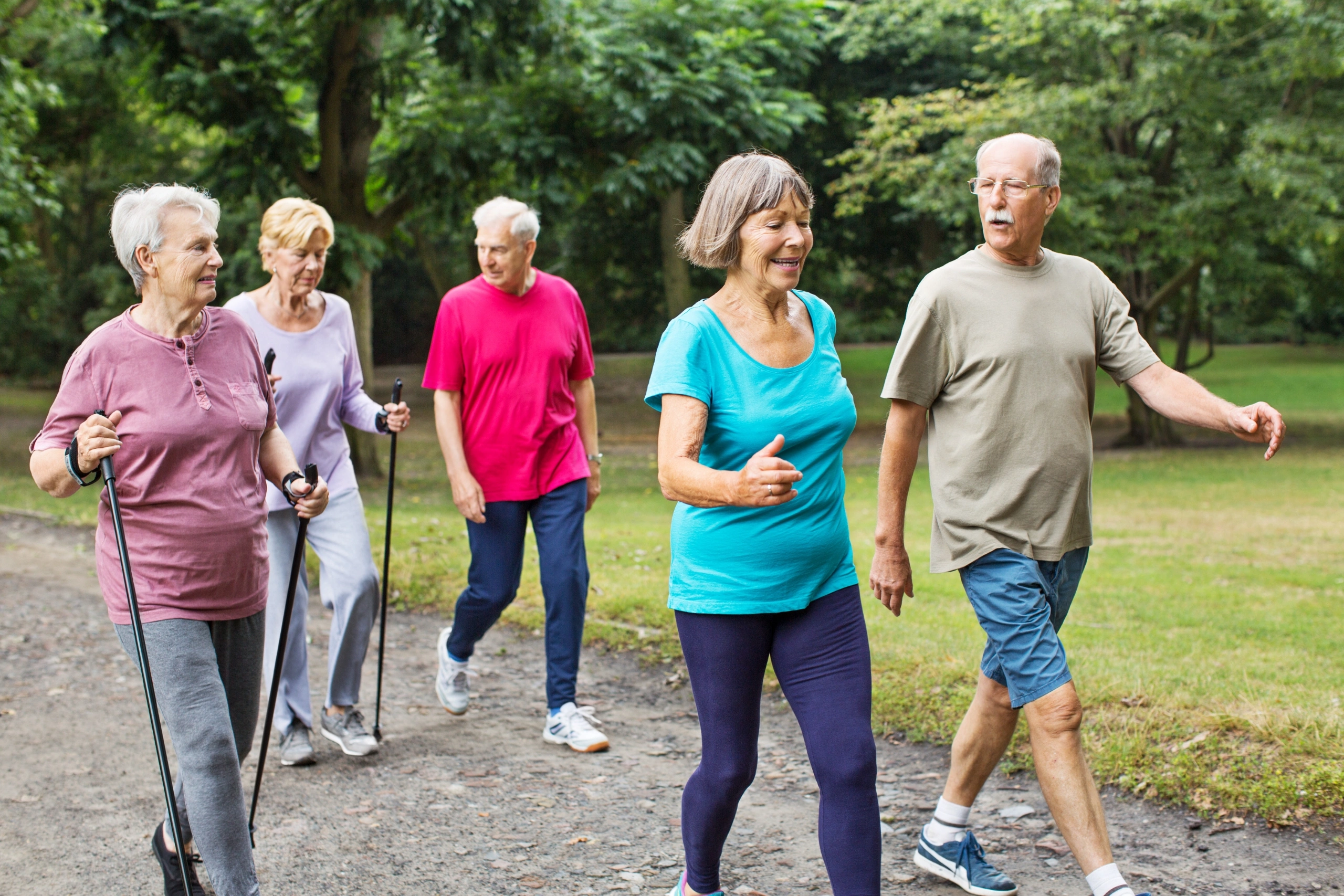
The practical prescription is simple: after any intense training session — whether it’s Pillar 1 compound lifts, Pillar 2 HIIT, or a demanding mobility session — add 10 to 20 minutes of easy walking. Not a brisk walk. Not a power walk. A gentle, conversational-pace stroll. The goal is circulation, not additional training stimulus. Your heart rate should stay low. Your breathing should be easy. Your muscles should feel like they’re flushing rather than working.
On dedicated recovery days — the days between hard sessions — a 20 to 30 minute walk serves as the backbone of your active recovery protocol. It maintains the body’s movement baseline without creating additional stress, keeps blood flowing to tissues that are still repairing, and provides the gentle proprioceptive and vestibular stimulus that supports the balance training from Pillar 4.
Mobility Work: Recovery That Also Builds Pillar 3
Recovery days are the ideal time for the mobility work we outlined in Pillar 3 — and when done on recovery days, it serves a dual purpose: it maintains and improves range of motion while simultaneously accelerating the recovery process.
FOAM ROLLING
A meta-analysis of 21 studies found that post-exercise foam rolling reduces DOMS and improves range of motion without affecting strength or performance. Spend 60–90 seconds per major muscle group (quads, hamstrings, glutes, upper back, calves), applying moderate pressure and rolling slowly. Two to three sessions per week is sufficient for most people.JOINT MOBILITY DRILLS
Controlled articular rotations (CARs) — slow, deliberate circles through the full range of each major joint — promote synovial fluid circulation, maintain cartilage health, and restore range of motion compressed by the previous day’s training. 5 minutes, every joint, done slowly and with intention.GENTLE YOGA OR STRETCHING
A 20-minute yoga session on recovery days addresses flexibility, breathing, stress reduction, and proprioception simultaneously. Focus on restorative or yin-style yoga — long holds, supported positions, minimal muscular effort. The goal is restoration, not progression.FLOOR SITTING
Replace 20–30 minutes of couch time with floor sitting — cycling through cross-legged, 90/90, kneeling, and side-sitting positions. This maintains the hip mobility from Pillar 3 while keeping tissues supple during recovery. No effort required — just time on the floor.
The key insight is that recovery-day mobility work should feel restorative, not challenging. If you’re grimacing through a deep stretch or forcing a range you don’t have, you’ve crossed from recovery into training — and that defeats the purpose. The intensity dial should be set to 3 out of 10. The goal is gentle tissue loading, improved circulation, and maintained range of motion — not new adaptation.
Contrast Therapy: The Vascular Pump
Contrast therapy — the deliberate alternation between heat and cold exposure — has moved from the fringe of athletic recovery into mainstream evidence-based practice. And the science behind it is both elegant and increasingly well-supported.
The mechanism is straightforward. Heat causes vasodilation — blood vessels expand, increasing blood flow to the tissues. Cold causes vasoconstriction — blood vessels narrow, reducing blood flow and numbing pain receptors. By alternating between the two, you create a “vascular pumping” effect — a rhythmic expansion and contraction of blood vessels that accelerates the delivery of oxygen and nutrients to damaged tissue while simultaneously flushing metabolic waste products.
A systematic review and meta-analysis published in PLOS One found that contrast water therapy produced significantly greater improvements in muscle soreness recovery compared to passive recovery alone. A separate 2025 scoping review confirmed reductions in pain, improvements in joint range of motion, and functional recovery across various musculoskeletal conditions. Research has also shown that contrast therapy can return the body to a performance-ready state within 48 hours of high-intensity exercise and reduce perceived fatigue within 24 hours.
A SIMPLE CONTRAST THERAPY PROTOCOL
Heat Phase
3–4 minutes in a hot shower, hot bath (100–104°F / 38–40°C), or sauna. Feel the warmth penetrate the muscles. Breathe deeply.
Cold Phase
1–2 minutes in a cold shower (as cold as tolerable), cold plunge (50–60°F / 10–15°C), or cold water on targeted areas.
Cycles
Alternate 3–4 times. Total session: 15–20 minutes. Always end on cold — vasoconstriction reduces residual inflammation.
Frequency
1–3 times per week, ideally after the hardest training sessions or on dedicated recovery days.
Budget Option
No cold plunge? No problem. Alternate your shower between the hottest and coldest settings for 3–4 cycles. The vascular pumping effect still occurs.
Beyond the physical recovery benefits, contrast therapy has demonstrated positive effects on mental health and perceived well-being. The cold exposure triggers a norepinephrine release that elevates mood, increases alertness, and reduces perceived fatigue. The heat phase activates the parasympathetic nervous system, promoting relaxation and reducing cortisol. The combined effect leaves many people feeling simultaneously calm and energized — a neurochemical state that’s hard to replicate through any other single intervention.
The Recovery Day Blueprint
A well-designed recovery day isn’t a day off — it’s a day on, at a different intensity. Here’s what it looks like in practice:
Morning: 5 minutes of joint mobility drills (controlled articular rotations for ankles, hips, thoracic spine, shoulders, and wrists). This wakes up the nervous system gently, circulates synovial fluid, and takes inventory of how your body feels from yesterday’s training.
Midday: 20 to 30 minute walk at a gentle, conversational pace. Outdoors if possible — the combination of fresh air, sunlight (vitamin D and circadian rhythm support), varied terrain (proprioception), and gentle movement (circulation) makes this arguably the single highest-value recovery activity available. Double its value by walking barefoot on grass for the last five minutes.
Afternoon or evening: 15 to 20 minutes of mobility work — foam rolling, gentle stretching, or restorative yoga. Follow with 20 to 30 minutes of floor sitting while watching TV or reading. End the evening with a contrast shower if desired (3–4 hot/cold cycles).
Beyond the physical recovery benefits, contrast therapy has demonstrated positive effects on mental health and perceived well-being. The cold exposure triggers a norepinephrine release that elevates mood, increases alertness, and reduces perceived fatigue. The heat phase activates the parasympathetic nervous system, promoting relaxation and reducing cortisol. The combined effect leaves many people feeling simultaneously calm and energized — a neurochemical state that’s hard to replicate through any other single intervention.
The Recovery Day Blueprint
A well-designed recovery day isn’t a day off — it’s a day on, at a different intensity. Here’s what it looks like in practice:
Morning: 5 minutes of joint mobility drills (controlled articular rotations for ankles, hips, thoracic spine, shoulders, and wrists). This wakes up the nervous system gently, circulates synovial fluid, and takes inventory of how your body feels from yesterday’s training.
Midday: 20 to 30 minute walk at a gentle, conversational pace. Outdoors if possible — the combination of fresh air, sunlight (vitamin D and circadian rhythm support), varied terrain (proprioception), and gentle movement (circulation) makes this arguably the single highest-value recovery activity available. Double its value by walking barefoot on grass for the last five minutes.
Afternoon or evening: 15 to 20 minutes of mobility work — foam rolling, gentle stretching, or restorative yoga. Follow with 20 to 30 minutes of floor sitting while watching TV or reading. End the evening with a contrast shower if desired (3–4 hot/cold cycles).
Total time invested: approximately 60 to 90 minutes, spread across the day, with none of it feeling like a workout. Every minute accelerates recovery, maintains mobility, supports balance, and prepares the body for tomorrow’s training session.
THE INTEGRATION
Active recovery is not a separate program — it is the connective tissue between the four pillars. Walking maintains your Pillar 2 aerobic base while promoting recovery. Mobility work maintains your Pillar 3 flexibility. Floor sitting and balance-stacked habits maintain your Pillar 4 proprioception. Even a recovery day quietly reinforces every pillar — just at an intensity that allows your body to rebuild rather than break down further.
The Multiplier Effect
We titled this series “Recovery: The Often-Ignored Multiplier” for a specific reason. Recovery doesn’t just add to the benefits of training — it multiplies them.
A person who trains hard three days a week but recovers poorly between sessions gets perhaps 60 percent of the potential adaptation. Their muscles rebuild incompletely. Their nervous system stays fatigued. Their joints stiffen. Their soreness lingers, making the next session harder and less productive — creating a downward spiral of diminishing returns.
A person who trains hard three days a week and recovers actively between sessions gets 90 to 100 percent of the potential adaptation. Their muscles rebuild fully. Their nervous system resets. Their joints stay mobile. They arrive at the next session fresh, capable, and ready to progress. Over months and years, this difference compounds into dramatically different outcomes — the same training stimulus producing fundamentally different bodies.
This is why recovery is not optional. It is not a luxury for professional athletes. It is the mechanism that converts the stimulus of training into the adaptation of getting stronger, faster, more mobile, and more resilient. Without it, the four pillars are just four sources of stress. With it, they are the architecture of a body that works at 80.
Training is the question. Recovery is the answer. And active recovery — walking, mobility work, contrast therapy — ensures that the answer comes back louder, clearer, and more complete every single time.
What’s Coming Next
This post covers the active side of recovery — what you do with your body on the days between hard sessions. But recovery has a passive side too, and it’s arguably even more important: sleep, nutrition, and stress management — the biological infrastructure that determines how effectively your body processes the training stimulus at the cellular level.
In the next posts, we’ll explore each of these: the science of sleep as the master recovery protocol, the role of nutrition in fueling adaptation, and the impact of chronic stress on every system the four pillars are designed to protect.
The pillars tell you what to build. Recovery tells you how to build it. And we’re just getting started.
Beyond the physical recovery benefits, contrast therapy has demonstrated positive effects on mental health and perceived well-being. The cold exposure triggers a norepinephrine release that elevates mood, increases alertness, and reduces perceived fatigue. The heat phase activates the parasympathetic nervous system, promoting relaxation and reducing cortisol. The combined effect leaves many people feeling simultaneously calm and energized — a neurochemical state that’s hard to replicate through any other single intervention.
The Recovery Day Blueprint
A well-designed recovery day isn’t a day off — it’s a day on, at a different intensity. Here’s what it looks like in practice:
Morning: 5 minutes of joint mobility drills (controlled articular rotations for ankles, hips, thoracic spine, shoulders, and wrists). This wakes up the nervous system gently, circulates synovial fluid, and takes inventory of how your body feels from yesterday’s training.
Midday: 20 to 30 minute walk at a gentle, conversational pace. Outdoors if possible — the combination of fresh air, sunlight (vitamin D and circadian rhythm support), varied terrain (proprioception), and gentle movement (circulation) makes this arguably the single highest-value recovery activity available. Double its value by walking barefoot on grass for the last five minutes.
Afternoon or evening: 15 to 20 minutes of mobility work — foam rolling, gentle stretching, or restorative yoga. Follow with 20 to 30 minutes of floor sitting while watching TV or reading. End the evening with a contrast shower if desired (3–4 hot/cold cycles).
Beyond the physical recovery benefits, contrast therapy has demonstrated positive effects on mental health and perceived well-being. The cold exposure triggers a norepinephrine release that elevates mood, increases alertness, and reduces perceived fatigue. The heat phase activates the parasympathetic nervous system, promoting relaxation and reducing cortisol. The combined effect leaves many people feeling simultaneously calm and energized — a neurochemical state that’s hard to replicate through any other single intervention.
The Recovery Day Blueprint
A well-designed recovery day isn’t a day off — it’s a day on, at a different intensity. Here’s what it looks like in practice:
Morning: 5 minutes of joint mobility drills (controlled articular rotations for ankles, hips, thoracic spine, shoulders, and wrists). This wakes up the nervous system gently, circulates synovial fluid, and takes inventory of how your body feels from yesterday’s training.
Midday: 20 to 30 minute walk at a gentle, conversational pace. Outdoors if possible — the combination of fresh air, sunlight (vitamin D and circadian rhythm support), varied terrain (proprioception), and gentle movement (circulation) makes this arguably the single highest-value recovery activity available. Double its value by walking barefoot on grass for the last five minutes.
Afternoon or evening: 15 to 20 minutes of mobility work — foam rolling, gentle stretching, or restorative yoga. Follow with 20 to 30 minutes of floor sitting while watching TV or reading. End the evening with a contrast shower if desired (3–4 hot/cold cycles).
Total time invested: approximately 60 to 90 minutes, spread across the day, with none of it feeling like a workout. Every minute accelerates recovery, maintains mobility, supports balance, and prepares the body for tomorrow’s training session.
THE BOTTOM LINE
Active recovery — deliberate, low-intensity movement between hard training sessions — is the most practical and consistently effective recovery strategy available. A 2018 meta-analysis of 99 studies confirmed that active recovery significantly reduces muscle soreness at 24 and 48 hours compared to passive rest. Walking for 10 to 20 minutes post-training rivals massage, cold water immersion, and foam rolling for DOMS relief — at zero cost and zero complexity. Mobility work on recovery days maintains range of motion while accelerating tissue repair. Contrast therapy creates a vascular pumping effect that enhances circulation and reduces inflammation. Together, these tools transform rest days from empty space into the most productive hours in your training week. Recovery is not the absence of training. It is the completion of it.