


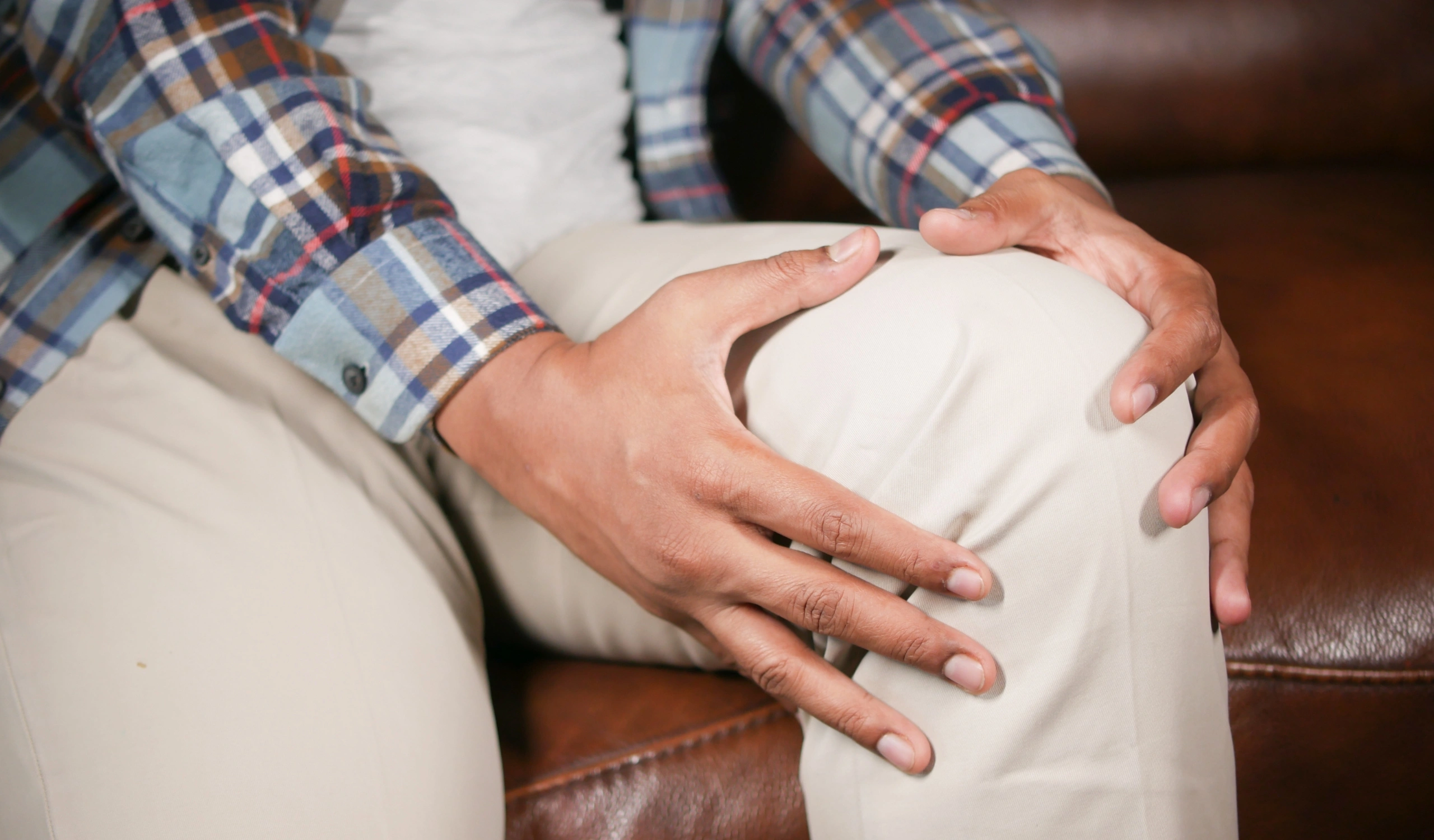
Your joints are remarkable engineering — built to absorb shock, bear load, and allow fluid movement across decades of use. But there’s a catch: they depend on motion to stay healthy. Cartilage, the spongy tissue that cushions your joints, has no direct blood supply. Instead, it receives nutrients through the compression and release that happens when you move. Sit still long enough, and your joints begin to quietly deteriorate.
The phrase “use it or lose it” isn’t just motivational folklore. It’s backed by decades of physiology research showing that physical inactivity is one of the leading drivers of joint degradation, cartilage loss, and conditions like osteoarthritis.
“Cartilage behaves like a sponge — it needs to be squeezed and released to absorb the nutrients it needs to survive. Movement is its food source.”
Why joints need movement
Unlike most tissues in your body, cartilage lacks blood vessels. It relies on a process called imbibition — literally soaking up synovial fluid (the lubricant inside your joints) through cyclical compression during movement. When you walk, bend, or stretch, cartilage is compressed and then rebounds, drawing in oxygen and nutrients. Without this process, the cartilage gradually thins and breaks down.
Synovial fluid itself also becomes more viscous and effective when joints are regularly used. Think of it like motor oil that works better once the engine is warm. Regular movement keeps this fluid distributing properly, reducing friction and stiffness.
The consequences of inactivity
Prolonged sedentary behavior — sitting for hours, avoiding physical activity, or immobilizing an injured joint for too long — sets off a cascade of negative changes:
Cartilage thinning
Without compressive stimulation, cartilage cells (chondrocytes) reduce their activity and the tissue slowly thins.
Fluid stagnation
Synovial fluid becomes less effective, leading to increased friction and that familiar morning stiffness.
Muscle weakness
The muscles that stabilize joints atrophy, shifting excess stress onto the joint itself and accelerating wear.
Inflammation
Inactivity promotes low-grade inflammation that damages joint tissue over time, particularly in weight-bearing joints.
How to keep your joints healthy
The good news: you don’t need to run marathons. Consistent, varied movement — even gentle activity — is enough to maintain joint health throughout your life. Here’s what the evidence supports:
Move consistently, not intensely
Short bouts of movement throughout the day are more beneficial for joints than one long session followed by hours of stillness. If you work a desk job, aim to stand up and move for 2–3 minutes every 30–45 minutes. This alone can meaningfully reduce cartilage stress accumulation.
Build the muscles around your joints
Strong quadriceps protect your knees. A stable rotator cuff protects your shoulders. Strengthening the muscles that surround major joints reduces the mechanical load placed on cartilage and bone. Resistance training 2–3 times per week is one of the most evidence-backed strategies for long-term joint health.
Prioritize low-impact movement
Swimming, cycling, yoga, and walking are excellent joint-friendly options that provide the compression-and-release cartilage needs without the repetitive impact of activities like distance running. If you’re managing existing joint pain, these are ideal starting points.
Don’t ignore range of motion
Taking your joints through their full range of motion — through stretching, mobility work, or practices like tai chi — maintains the health of the entire joint capsule, not just the weight-bearing surfaces. Neglecting range of motion is one of the quickest paths to stiffness and dysfunction.
Research consistently shows that people who remain physically active into their 60s and 70s have measurably thicker, healthier cartilage than sedentary peers of the same age.
A note on joint pain
Many people interpret joint pain as a signal to rest — and sometimes, rest is appropriate. But for chronic joint conditions like osteoarthritis, the opposite is often true. Controlled, progressive movement is now the first-line recommendation from most rheumatology and sports medicine guidelines. Rest worsens the condition; movement, done thoughtfully, improves it.
If you’re experiencing acute joint pain, swelling, or instability, consult a healthcare professional before starting or changing your activity level. This article is for informational purposes and not a substitute for medical advice.
The bottom line
Joint health is not a passive process. It requires ongoing investment in the form of movement, strength, and range of motion. The joints you have today are capable of lasting a lifetime — but only if you use them. Start where you are, move in ways you enjoy, and build consistency over intensity. Your cartilage will thank you.