


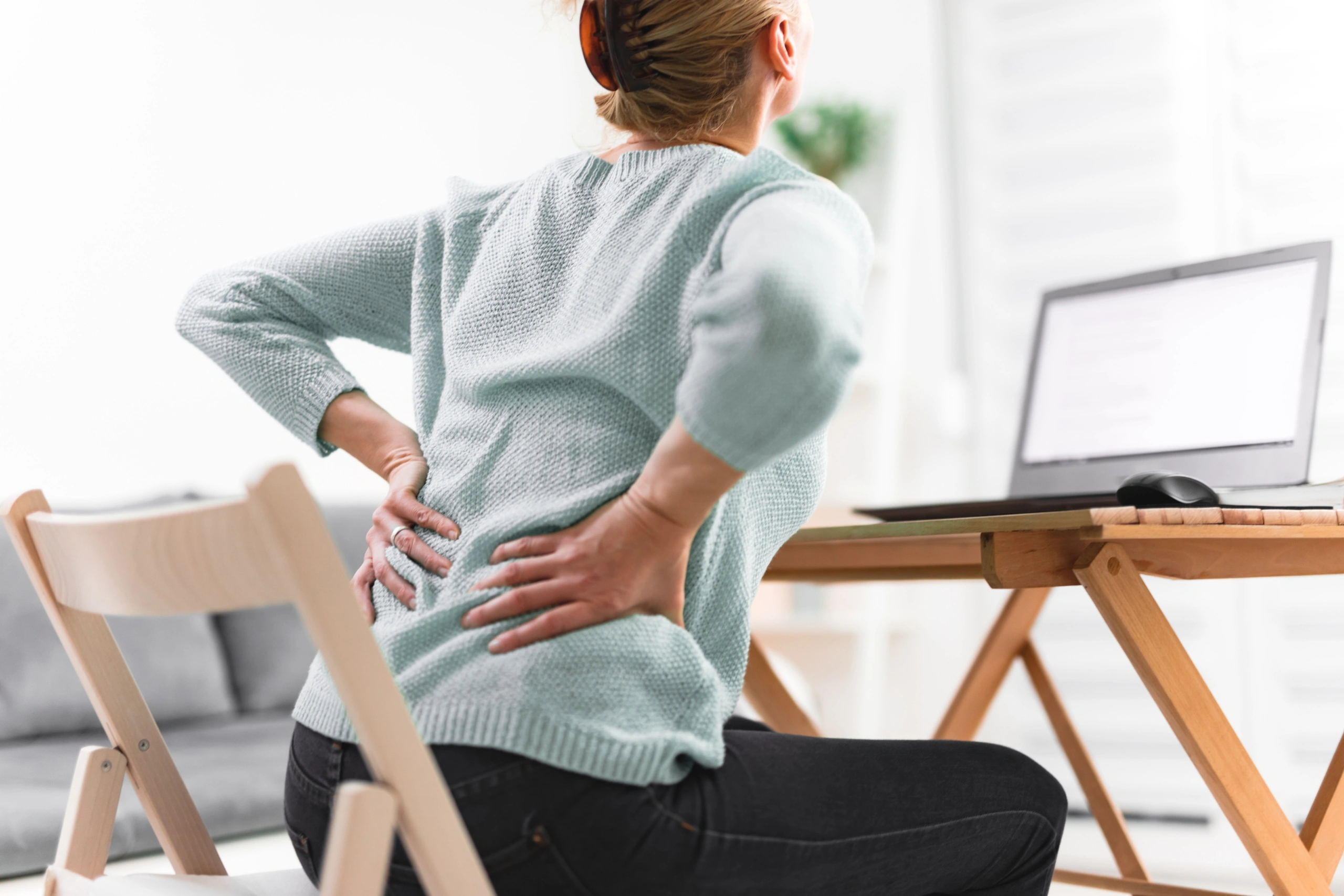
You exercise three times a week, eat well, and get a decent night’s sleep. By most measures, you’re doing everything right. But if you spend the better part of your day seated — at a desk, in a car, on a couch — you may be quietly accumulating one of the most underestimated health risks of modern life.
Researchers have started calling it “the sitting disease,” and the data behind that phrase is hard to ignore. Hours spent in a chair are not simply neutral time — they actively reshape how your muscles, joints, spine, and cardiovascular system function. Understanding why is the first step toward changing it.
What Happens to Your Body When You Sit
The moment you sit down, a cascade of physiological changes begins — most of them unhelpful.
Your Hip Flexors Shorten and Tighten
The iliopsoas, the primary hip flexor muscle, sits in a shortened position every time you’re in a chair. When you stay there for hours each day, it begins to adapt to that shortened length. The result: tight hip flexors that pull the pelvis into an anterior tilt, increasing the curve in the lower back and creating a postural imbalance that places chronic stress on the lumbar spine — even when you’re standing.
Your Glutes “Forget” How to Work
Prolonged sitting essentially tells your gluteal muscles to take a break — indefinitely. This pattern, often called gluteal amnesia, means these powerful stabilizers of the hip and lower back become underactive. When the glutes don’t fire properly, other muscles (the hamstrings, the lower back) compensate, setting the stage for injury.
Spinal Compression Accumulates
Seated posture — especially the slouched variety most of us default to after an hour at a desk — places significantly more compressive load on the lumbar discs than standing does. Over time, this contributes to disc degeneration, nerve impingement, and the kind of chronic low back pain that becomes a persistent companion.
Circulation Slows
When you sit still, the calf muscles — sometimes called the “second heart” — stop pumping blood back up toward the heart. Blood and fluid can pool in the lower legs, increasing the risk of swelling, deep vein thrombosis (DVT), and varicose veins. Even short periods of immobility matter.
Metabolic Activity Drops
Perhaps most surprisingly, research shows that muscle electrical activity drops to near zero within minutes of sitting down. The enzyme lipoprotein lipase, which helps process fats in the bloodstream, falls sharply. This metabolic slowdown is distinct from — and compounds — any effects of low overall activity levels. In other words, sitting for eight hours is harmful even if you also go to the gym.
The Research Is Clear — and Sobering
A landmark analysis published in Annals of Internal Medicine reviewed data from more than 800,000 participants and found that people who sat for the longest periods had significantly higher rates of cardiovascular disease, type 2 diabetes, cancer, and all-cause mortality — regardless of how much they exercised.
A separate study from the American Journal of Epidemiology found that women who sat for more than six hours per day had a 94% higher risk of dying during the study period compared to those who sat for less than three hours. For men, the risk was 48% higher.
The takeaway isn’t that exercise doesn’t matter — it does. It’s that exercise alone cannot fully offset the damage done by prolonged uninterrupted sitting. The body needs movement spread throughout the day, not concentrated into a single window.
The Physical Therapy Perspective: What We See in the Clinic
At Prell Physical Therapy, we regularly treat patients whose pain has no dramatic origin story — no fall, no sports injury, no accident. Their discomfort developed gradually, over months or years of sitting-dominant routines.
Common presentations include:
- Chronic low back pain with no structural pathology that explains its severity
- Anterior knee pain driven by weak hips and altered movement mechanics
- Cervicogenic headaches from sustained forward head posture at a workstation
- Hip and SI joint dysfunction from prolonged anterior pelvic tilt
- De Quervain’s tenosynovitis and wrist pain from static keyboard and mouse postures
What these cases share is that the underlying driver isn’t a single event — it’s a pattern. And patterns are something we can change.
Small Interruptions, Significant Results
The good news is that the antidote to prolonged sitting doesn’t require dramatic lifestyle overhaul. The science points to something more accessible: regular, brief interruptions to sitting.
Research from the University of Queensland found that breaking up sitting time with even two minutes of light walking every 20 minutes significantly reduced blood glucose and insulin levels compared to uninterrupted sitting. Other studies have shown benefits from standing, stretching, or walking for as little as one to two minutes per hour.
Here are practical starting points:
- Set a movement timer. A reminder every 30–45 minutes to stand, stretch, or walk briefly is one of the simplest and most effective interventions available.
- Take walking meetings. Phone calls don’t require a chair. If you’re not screen-sharing or taking notes, walk while you talk.
- Use a standing desk — strategically. Standing all day creates its own problems. The goal is alternation, not substitution. Aim for a mix of sitting, standing, and moving.
- Build transitions into your day. Park farther away. Take the stairs. Walk to a colleague’s desk instead of emailing. Small decisions add up to meaningful daily movement.
- Address the physical damage already done. If you already have hip flexor tightness, gluteal inhibition, or postural dysfunction, targeted exercises and hands-on physical therapy can restore the balance that sitting has disrupted.
A Note on “Invisible” Habits
This series is called The Invisible Habits That Matter Most because the behaviors with the greatest long-term impact on your health are often the ones you don’t notice. You notice when you skip a workout. You probably don’t notice sitting for four uninterrupted hours on a Tuesday afternoon.
Sitting is invisible in precisely this way. It’s the default. It’s what chairs and desks and cars are designed for. No one flags it as harmful, because it doesn’t feel harmful — until years of it show up as a diagnosis, a persistent ache, or a limitation in how you move through the world.
Awareness is where change begins. Now that you know what’s happening at a physiological level, you have something concrete to act on.